
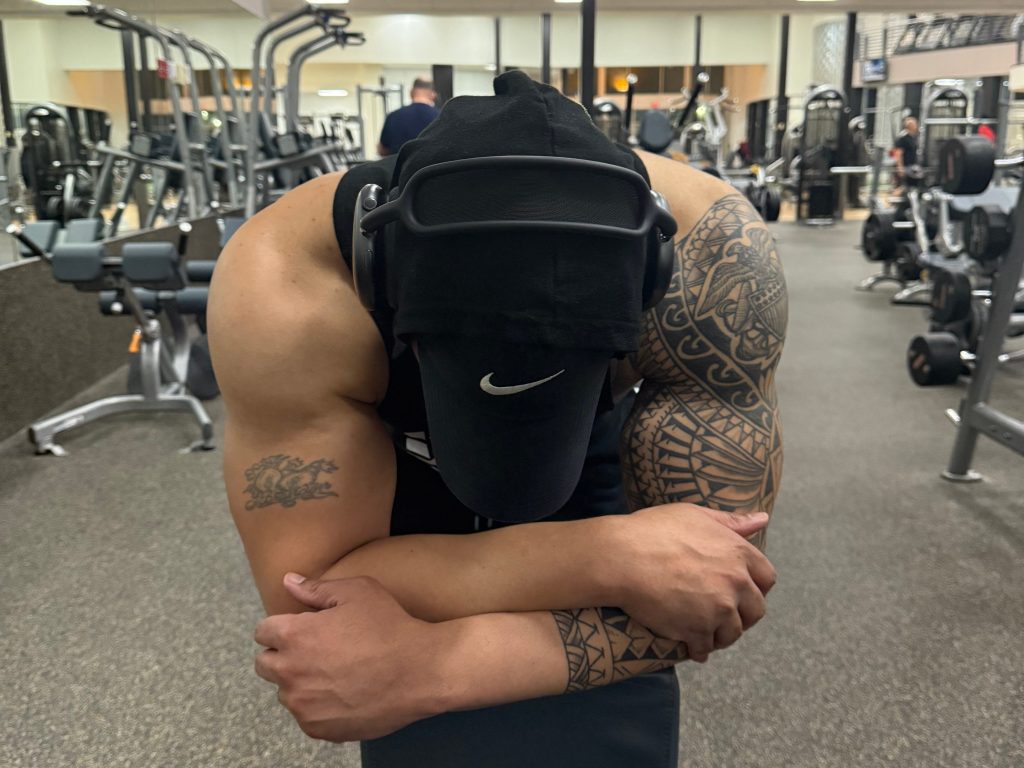
Many people think that if they crank out a lot of reps at the gym, they will get bigger and stronger. That’s only kind of true. When it comes to strength training, not all reps are created equally. Each lift or movement can be broken down into distinct phases, and understanding these phases, specifically concentric and eccentric movements, can dramatically improve your results in the gym.
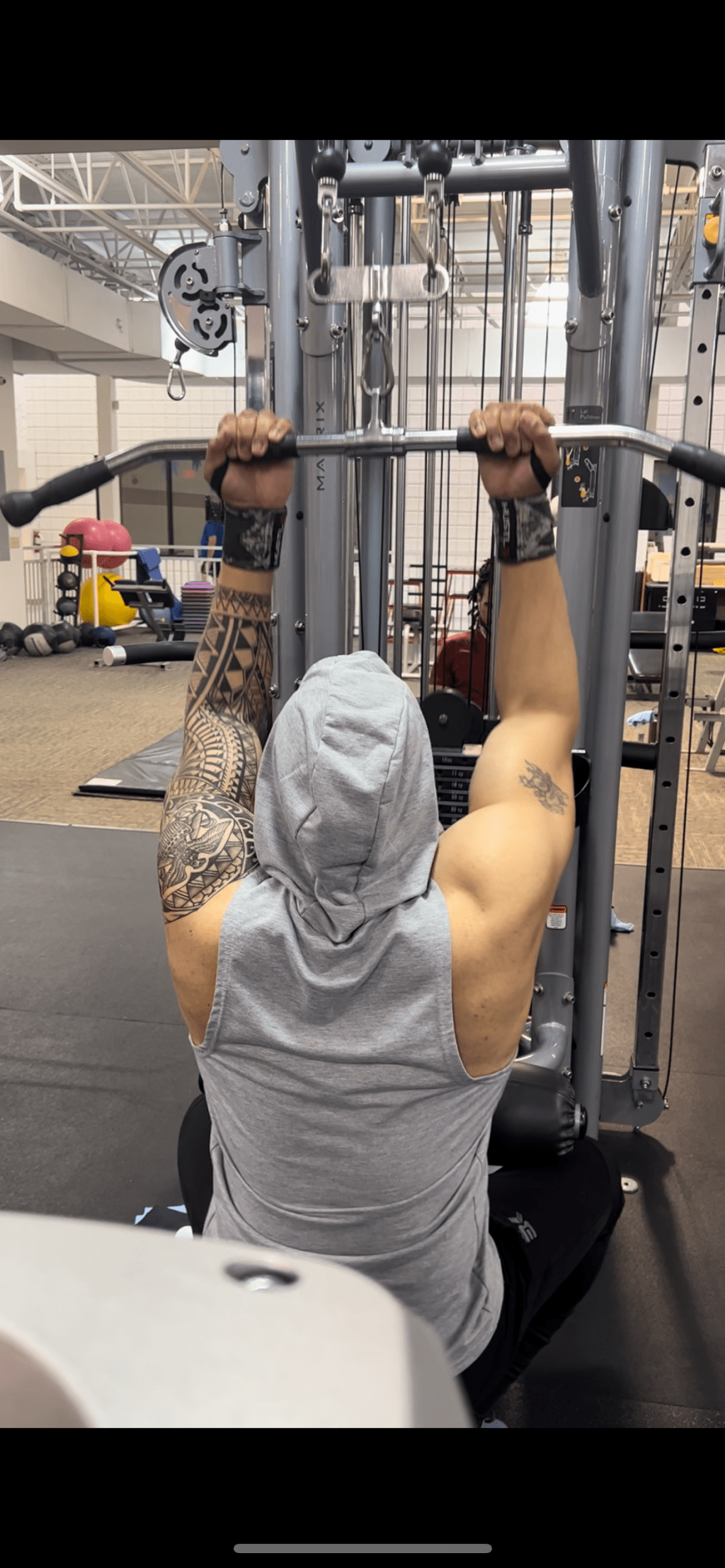
What Are Concentric and Eccentric Movements? Great question! Allow me to explain. A concentric movement is the phase of a movement where the muscle shortens as it contracts. It’s usually the “lifting” portion of an exercise. During a bicep curl, for example, the upward motion as you curl the weight toward your chest or shoulder is the concentric phase. Got that? Good! An eccentric movement is the opposite. It’s the phase where the muscle lengthens while it is under tension. It’s typically the “lowering” portion of an exercise. Using the same bicep curl example, it would be lowering the weight back down. Both phases work the muscle differently, and both are essential in terms of strength development and hypertrophy.
Okay, so we know what the movements are now. Why do they matter? Another great question! Research shows that while concentric actions help with explosive power (think pushing a heavy barbell off your chest during a bench press), eccentric training strengthens the muscle’s ability to handle heavier loads and improves control. To grow bigger muscles, you have to lift heavier things. Research also shows that eccentric movements cause more muscle fiber damage, which generally leads to greater muscle growth when paired with proper recovery. This is why slow, controlled eccentric reps are often emphasized in bodybuilding routines.
How do you train and implement both phases effectively? There are many options out there for you, so please understand that what I am about to provide just scratches the surface of what you could potentially be doing. One of the things you can do is focus on tempo, using controlled tempos such as 3-1-1, which means 3 seconds eccentric, 1 second pause, and 1 second concentric. This type of tempo helps emphasize the eccentric phase. Explosive concentric work, such as jumps or Olympic lifts, is essential for athletes and builds powerful, fast-twitch muscle fibers.
Understanding and integrating both concentric and eccentric movements into your training can unlock new levels of strength, hypertrophy, and athletic performance. Whether you’re a weekend warrior or a competitive athlete, giving attention to both phases of your lifts will help you train more effectively, and ultimately, achieve better results. So, the next time you hit the gym, don’t just lift the weight—lower it with purpose.
References
Douglas, J., Pearson, S., Ross, A., & McGuigan, M. (2017). The effects of eccentric versus concentric resistance training on muscle strength and mass in healthy adults: A systematic review with meta-analysis. Sports Medicine, 47(5), 917–941. https://doi.org/10.1007/s40279-016-0628-4
Herzog, W. (2017). Eccentric vs. concentric muscle contraction: That is the question. Journal of Sport and Health Science, 6(2), 128–129. https://doi.org/10.1016/j.jshs.2017.01.006
Schoenfeld, B. J., Ogborn, D. I., Vigotsky, A. D., Franchi, M. V., & Krieger, J. W. (2017). Hypertrophic effects of concentric vs. eccentric muscle actions: A systematic review and meta-analysis. Journal of Strength and Conditioning Research, 31(9), 2599–2608. https://doi.org/10.1519/JSC.0000000000001983
Suchomel, T. J., Nimphius, S., & Stone, M. H. (2018). Eccentric training: Applications and considerations. Sports Medicine, 48(4), 577–587. https://doi.org/10.1007/s40279-017-0803-1




Leave a Reply